Using your adrenaline (epinephrine) device
TOP TIPS FOR USING YOUR ADRENALINE DEVICE
- Practice using your adrenaline device by using the trainer version regularly.
- Your ASCIA Action Plan will guide you about when and how to use your adrenaline device.
- If you are having an allergic reaction – Do NOT stand or walk.
- If you have ANY one of the signs of anaphylaxis – use your adrenaline device.
- If in doubt – use your adrenaline device.
"Be prepared. Always keep your adrenaline devices and ASCIA Action Plan with you."
IT IS IMPORTANT THAT A PERSON HAVING AN ALLERGIC REACTION DOES NOT STAND OR WALK
Anaphylaxis is potentially life threatening, so placing the person in the correct position and giving adrenaline without delay, can save the person’s life.
Laying the person flat will help blood flow to the heart which improves blood pressure.
Standing can make anaphylaxis worse by causing blood pressure to drop.
This short video explains how to position someone having anaphylaxis.
ADRENALINE DEVICES AVAILABLE IN AUSTRALIA
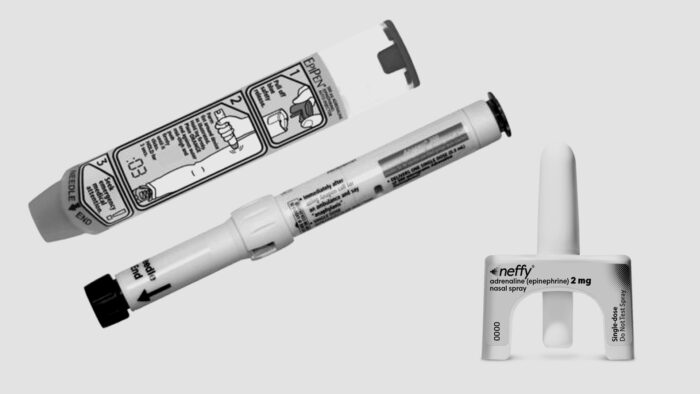
There are different adrenaline devices available in Australia. All adrenaline devices contain a single fixed dose of adrenaline, even though they may be administered differently.
EpiPen® is an adrenaline injector and is available in two doses – 150 microgram (for people 7.5kg to 20kg) and 300 microgram (for people over 20kg).
Anapen® is an adrenaline injector and is available in one dose – 500 microgram (for people over 50kg). Anapen® is currently out of stock in Australia.
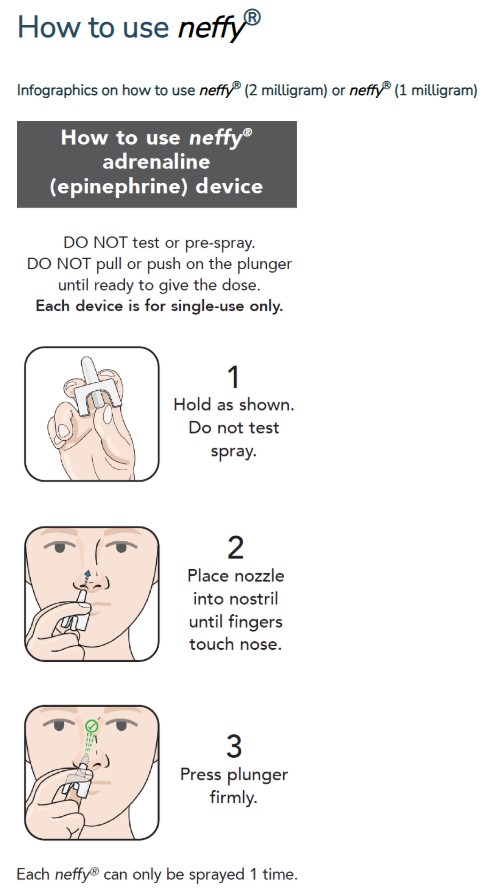
neffy® is an adrenaline nasal spray device and is available in two doses – 1 milligram (for people up to 15-30kg) and 2 milligram (for people over 30kg). neffy® adrenaline nasal spray devices are registered by the Therapeutic Goods Administration (TGA) for use in Australia and expected to be available early in 2026. neffy® is not currently available to purchase from pharmacies over the counter and is not yet available on the Pharmaceutical Benefits Scheme (PBS). Further information is available from the ASCIA website.
Jext® is an adrenaline injector and is available in 300 microgram and Jext® Jnr is available in 150 microgram. Jext® adrenaline injector devices are registered by the Therapeutic Goods Administration (TGA) for use in Australia. Further information is available from the ASCIA website.
Older teens and young adults should speak with their doctor about what device and dose is most suitable for them.
These Allergy & Anaphylaxis Australia animations show how to give each adrenaline device.
HOW TO GIVE EPIPEN®

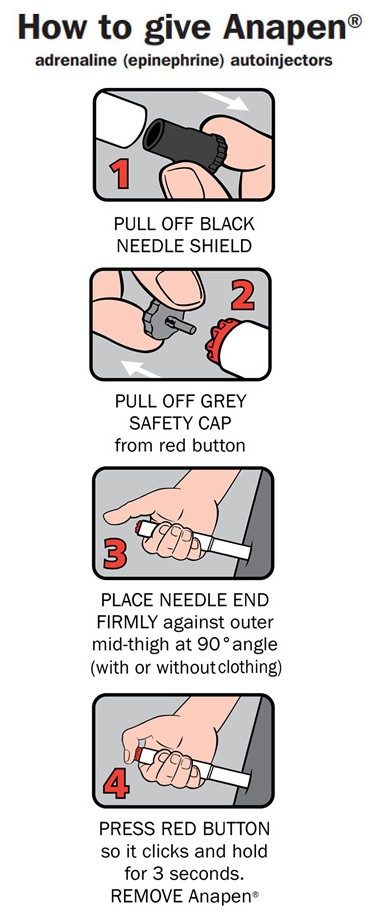
HOW TO GIVE ANAPEN®
HOW TO GIVE NEFFY®
HOW TO GIVE JEXT®
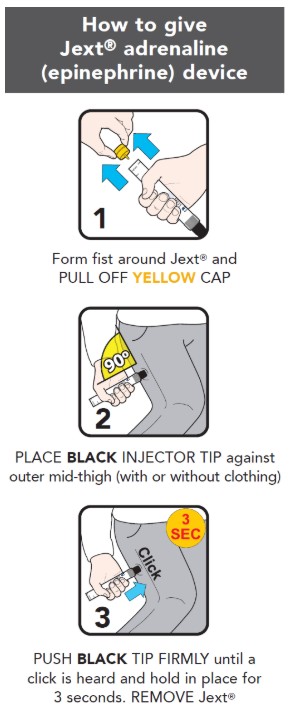
Visit the ASCIA website to learn more about how to give adrenaline (epinephrine) devices.
WHEN TO USE AN ADRENALINE DEVICE
Knowing how and when to use the adrenaline device is something many people struggle with.
If you are experiencing one or more of the following signs of anaphylaxis (severe allergic reaction) – use your adrenaline device.
- Difficult/noisy breathing
- Swelling of tongue
- Swelling/tightness in throat
- Difficulty talking and/or hoarse voice
- Wheeze or persistent cough
- Persistent dizziness or collapse
- Abdominal pain, vomiting after an insect bite or sting
- Pale and floppy (young children)
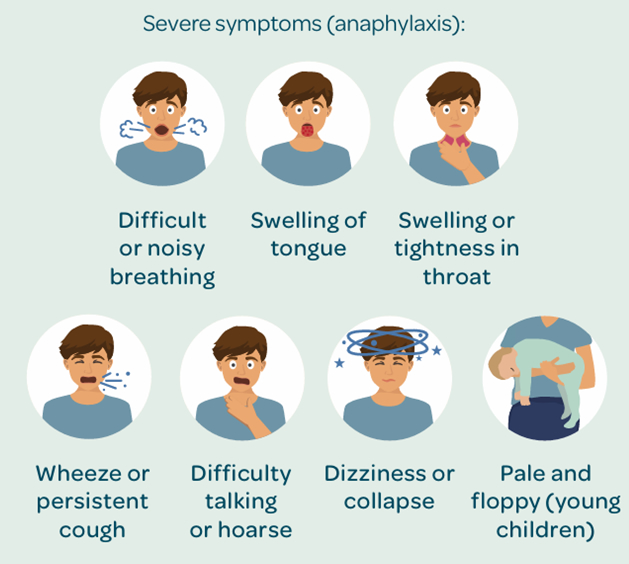
Using an adrenaline device is the best treatment for anaphylaxis.
How does adrenaline work?
USED YOUR ADRENALINE DEVICE – WHAT NEXT?
Lie still. Don’t walk or stand.
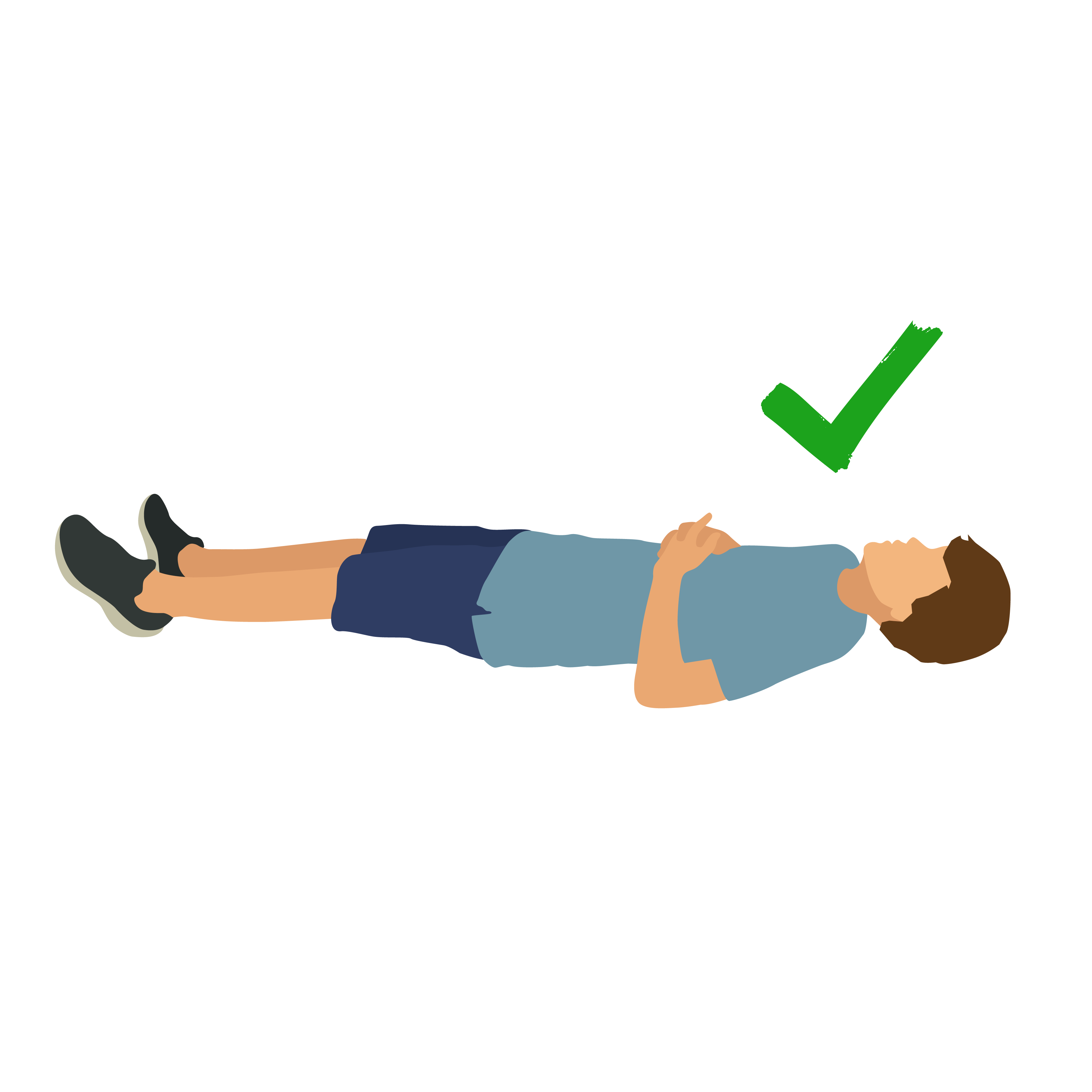
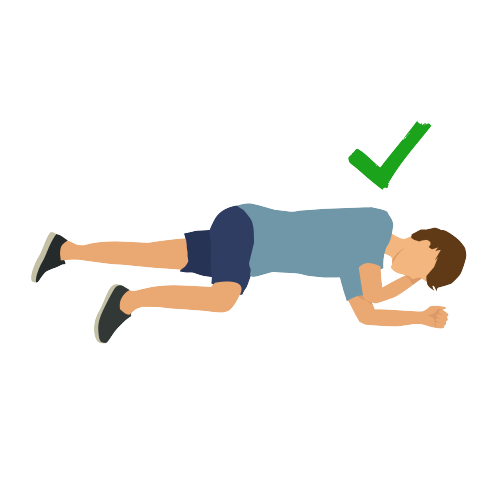
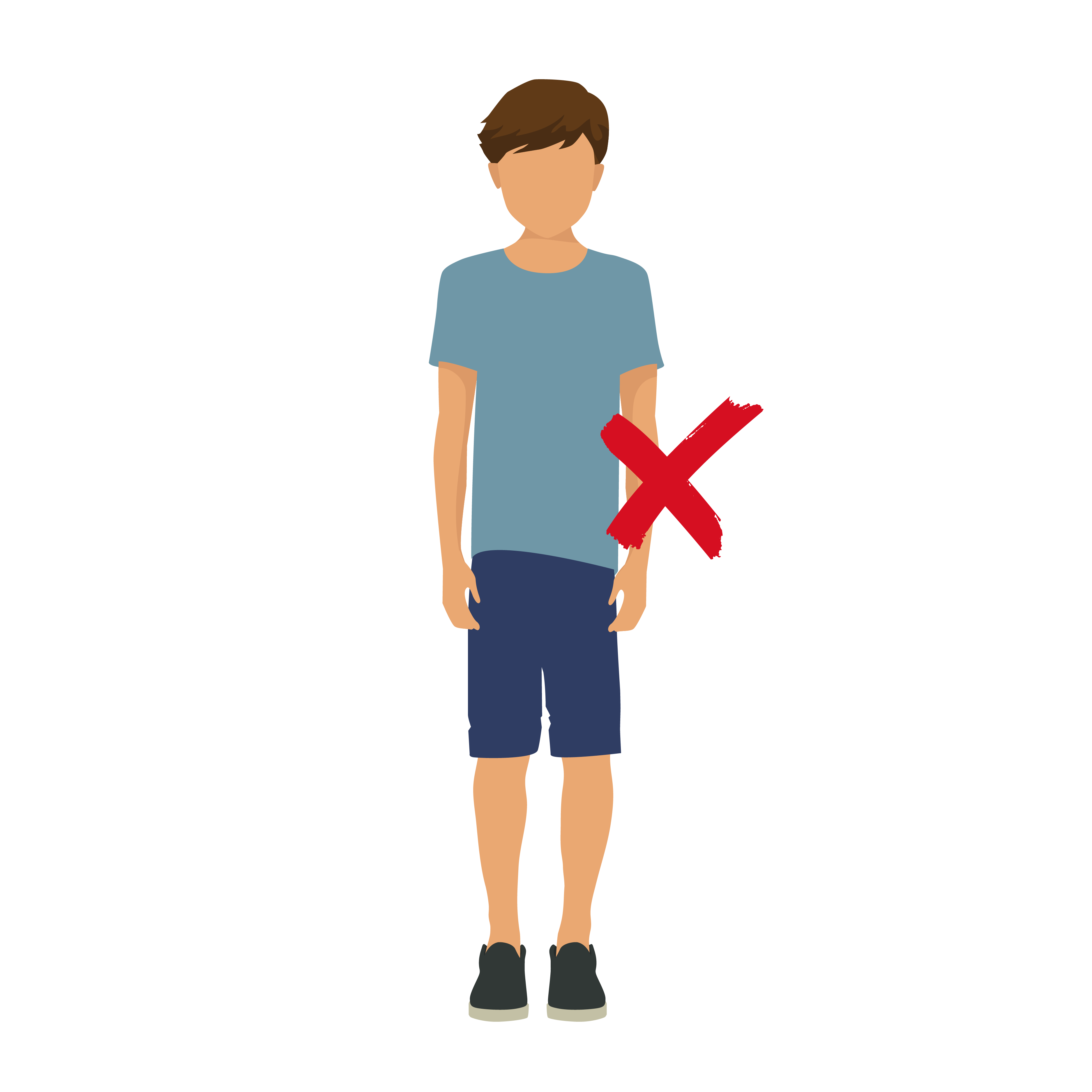
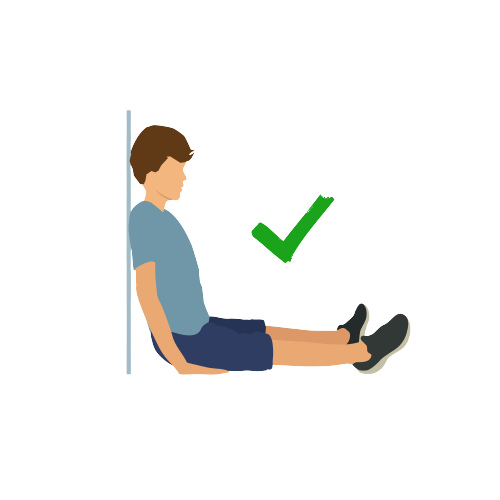
If you’re finding it hard to breathe, sit on the floor with your legs out in front of you. Do not stand up.
Why do I need to lie down?
Call an ambulance (dial triple zero). Tell them you are having an anaphylaxis and have administered your adrenaline device.
Get someone to write the time that the adrenaline device was administered, and hand the used devices to the paramedics.
Remember, you can use a second adrenaline device (if you have one) after 5 minutes if you still feel faint or have difficulty breathing.
Go to the hospital by ambulance.
Do not walk to the ambulance — ask for a stretcher. If you walk, there is a risk that your blood pressure will suddenly drop, causing you to feel even more unwell and possibly collapse.
Stay under observation for at least 4 hours.
You should be observed in hospital for at least 4 hours as you may require further adrenaline doses or additional medical support. Some people feel better after giving the adrenaline device but then suddenly become unwell again, even a couple of hours later. This is called a ‘biphasic reaction’.
Before leaving hospital, make sure you get a prescription for a new adrenaline device and stay with family or friends for the next day or two. Make sure you fill the prescription as soon as possible so you have an adrenaline device on hand.
Once recovered, go and see your clinical immunology/allergy specialist to discuss the cause of your reaction and how you managed the emergency.
CARRYING YOUR ADRENALINE DEVICE
Handbags, man bags, bum bags, school bags or small backpacks are all great ways to carry both of your adrenaline devices and ASCIA Action Plan yourself.
Alternatively, you can buy a waist belt for under your shirt, or a leg holster for around your ankle.
Some ideas include:

Note:
Adrenaline devices should be stored at room temperature (around 25°C) and keeping your adrenaline devices in the heat may affect the adrenaline and reduce its effectiveness.
This means that you should not leave your adrenaline devices in the sun for extended periods of time, or in a car. If you have a job that requires you to be in the sun most of the day, we suggest storing your adrenaline devices in an isothermic pouch. The pouch will keep your adrenaline devices at the required temperature.
Need help?
If you need help, contact Allergy & Anaphylaxis Australia.
Further information
ASCIA How to give adrenaline devices
ASCIA Adrenaline Device Frequently asked questions
"Be prepared. Always keep your adrenaline devices and ASCIA Action Plan with you."